
Understanding FDI Inflow Trends in Malaysia
Learn how Malaysia’s FDI patterns have evolved over the past decade and what drives investment decisions from multinational corporations across key sectors.
Read MoreExamining how Malaysia’s SEZs are driving economic growth, attracting foreign investment, and creating regional employment opportunities
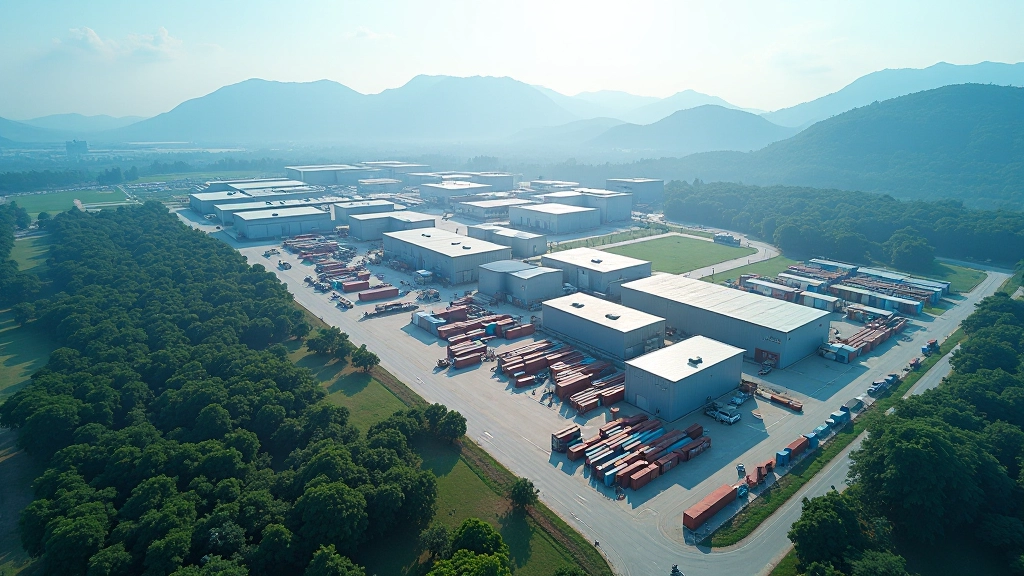
Malaysia’s special economic zones have become critical drivers of the nation’s economic development strategy. These designated areas aren’t just geographic locations — they’re carefully structured ecosystems designed to attract foreign direct investment, foster industrial growth, and create sustainable employment. Over the past decade, SEZs like Iskandar Malaysia, the Northern Corridor Economic Region, and the East Coast Economic Region have transformed regional economies and positioned Malaysia as a competitive investment destination in Southeast Asia.
What makes these zones particularly effective is their integrated approach. They’re not just about tax breaks or regulatory relief. Instead, they combine infrastructure development, skilled workforce availability, strategic location advantages, and government support mechanisms into cohesive investment platforms. The results? Significant FDI inflows, manufacturing diversification, and measurable improvements in regional GDP and employment rates.
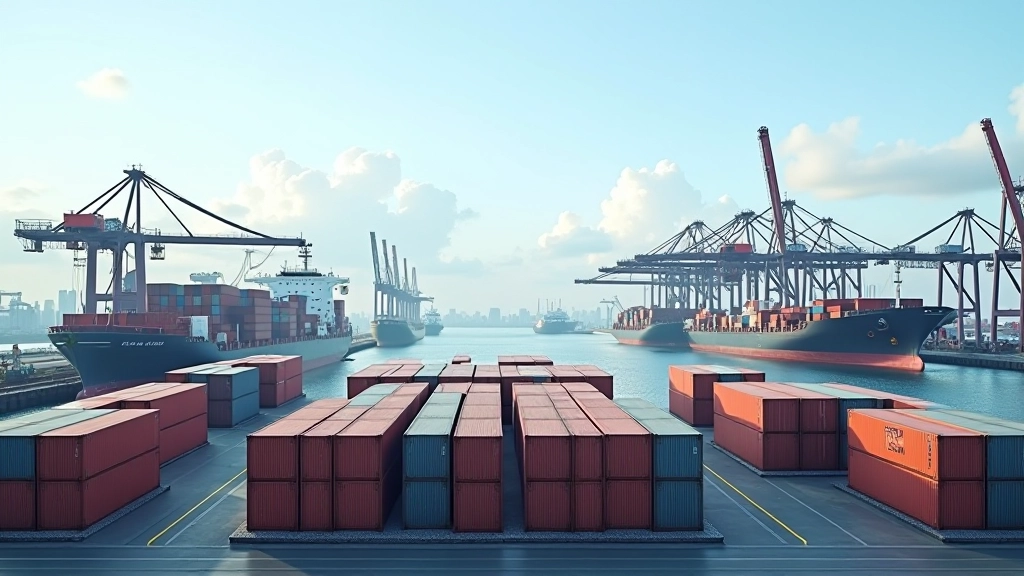
The numbers tell a compelling story. Iskandar Malaysia alone has attracted over RM180 billion in total investment commitments since its launch, with foreign direct investment accounting for approximately 40-45% of these figures. The zone’s consistent ability to pull in multinational manufacturers, logistics operators, and technology firms demonstrates the model’s effectiveness.
Employment generation has been equally impressive. These zones now employ over 500,000 workers across manufacturing, services, and support industries. What’s particularly valuable is the skills distribution — positions range from entry-level assembly work to highly specialized engineering and management roles. This diversity means SEZs contribute meaningfully to employment across educational backgrounds and experience levels.
The revenue streams flowing into host states and the federal government through business licensing, property leases, and corporate taxes have proven substantial. Beyond direct fiscal contributions, the zones generate significant indirect economic activity through supplier networks, transportation services, and supporting commercial sectors. The multiplier effect continues expanding as infrastructure improvements and business confidence attract additional investment waves.
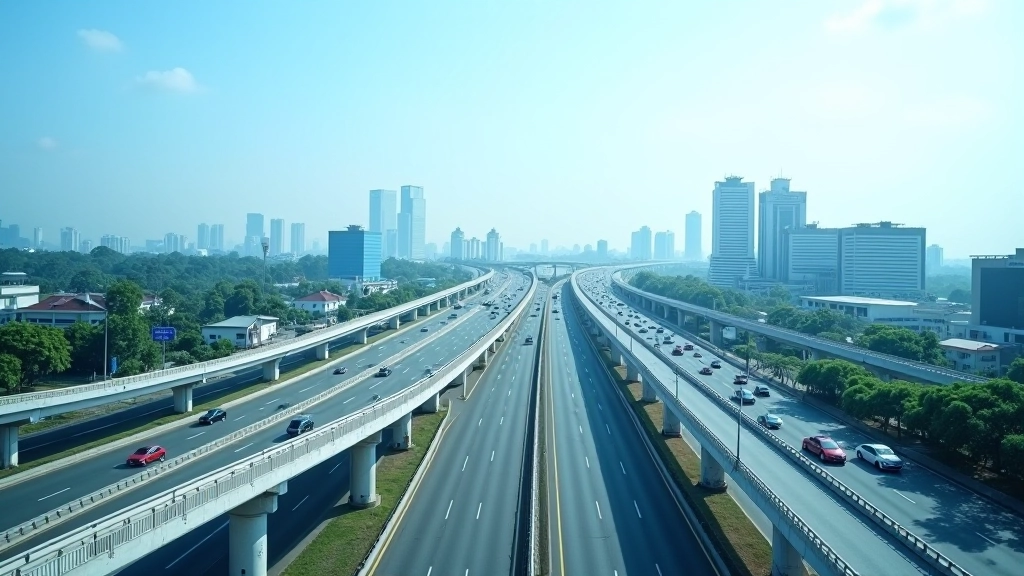
Infrastructure investment has been critical to SEZ success. These zones feature dedicated highway networks, port facilities, rail connections, and dedicated power supplies designed specifically to support industrial operations. Iskandar Malaysia’s integrated port facilities and extensive road networks mean goods can move efficiently from manufacturing sites to markets across the region and beyond.
The physical planning reflects real industrial requirements. Zones typically include dedicated industrial plots sized for different manufacturing scales, adequate utility infrastructure, and environmental management systems. This careful planning reduces operational bottlenecks that companies might face in less organized locations. When a firm doesn’t have to spend months solving basic infrastructure problems, they can focus on productive operations from day one.
Beyond basic utilities, many zones have developed specialized facilities — logistics hubs, customs clearance centers, testing laboratories, and training institutes. These supporting facilities mean businesses don’t just get industrial space; they get integrated ecosystems designed to support their operations and growth.
Malaysia’s SEZs haven’t developed randomly. They’ve strategically positioned themselves in sectors where the nation has competitive advantages. Electronics manufacturing, petrochemicals, automotive assembly, and advanced logistics have become dominant across various zones.
Advanced manufacturing of components and assembly operations, attracting major regional and global producers
Chemical processing and refining operations leveraging proximity to crude oil sources and established supply chains
Vehicle assembly, parts manufacturing, and logistics operations serving ASEAN and global markets
Distribution centers, warehousing, and supply chain operations connecting regional and global networks

SEZs aren’t without challenges. Increasing competition from other Southeast Asian nations, rising labor costs, and the shift toward higher-value manufacturing require continuous adaptation. Thailand’s Eastern Economic Corridor and Vietnam’s aggressive FDI campaigns present serious competition. Malaysia’s response has been focusing on higher-tech manufacturing, research and development capabilities, and digital transformation rather than competing purely on cost.
Environmental sustainability has become increasingly important. Modern SEZs are implementing stricter environmental standards, waste management systems, and energy efficiency requirements. This positions Malaysia as an environmentally responsible investment destination — increasingly important for multinational corporations facing pressure from investors and consumers regarding environmental practices.
Workforce development remains critical. As manufacturing shifts toward automation and advanced processes, the demand for skilled workers intensifies. Collaboration between zone authorities, educational institutions, and industry bodies has created training programs addressing skills gaps. These initiatives ensure the workforce evolves alongside technological changes, maintaining the zones’ competitiveness.

Malaysia’s special economic zones represent a sophisticated approach to economic development. They’re not simply geographic areas with relaxed regulations — they’re comprehensive ecosystems combining infrastructure, regulatory frameworks, strategic location advantages, and supportive government policies.
The performance data speaks clearly. Over 500,000 direct employment opportunities, over RM180 billion in investment commitments, and measurable contributions to regional GDP demonstrate the model’s effectiveness. More importantly, these aren’t one-time achievements. The zones continue attracting investment, adapting to global market changes, and evolving their industrial focus.
Looking forward, Malaysia’s SEZs will likely shift further toward advanced manufacturing, digital-enabled logistics, and knowledge-intensive industries. This evolution addresses both competitive pressures and global market demands. Whether it’s automotive manufacturing becoming increasingly electric-vehicle focused, or electronics production incorporating artificial intelligence and automation, the zones are positioning themselves for next-generation industrial requirements.
For investors, policymakers, and regional development specialists, Malaysia’s SEZ experience offers valuable insights. The combination of long-term commitment, infrastructure investment, clear regulatory frameworks, and sector-specific development strategies creates an environment where businesses can grow profitably while contributing meaningfully to regional economic development.
“Special economic zones aren’t just about attracting foreign investment — they’re about building sustainable economic ecosystems that create lasting opportunities for regional growth and prosperity.”
This article presents educational information about Malaysia’s special economic zones, investment trends, and economic performance based on publicly available data and reports. The content is intended to inform readers about SEZ structures, performance metrics, and general economic concepts. It’s not investment advice, financial guidance, or a recommendation to invest in any particular zone, company, or sector. Economic data, employment figures, and investment commitments are based on available sources but may change over time. Readers should conduct independent research, consult with appropriate professionals, and consider their specific circumstances before making investment decisions. Market conditions, government policies, and competitive landscapes evolve continuously, affecting SEZ performance and investment outcomes.