

MIDA Incentive Frameworks Explained
Discover the Malaysian Investment Development Authority’s comprehensive incentive programs, tax benefits, and strategic sector targeting that make Malaysia competitive for foreign investment.
Read MoreHow Malaysia’s strategic position and incentive frameworks attract multinational corporations and shape regional economic growth

Malaysia’s position as a Southeast Asian investment hub isn’t accidental. Over the past decade, the country’s received sustained foreign direct investment flows that’ve reshaped its manufacturing, technology, and financial services sectors. The numbers tell an interesting story about how policy, geography, and infrastructure create conditions where multinational corporations choose to establish regional operations.
Understanding these trends matters if you’re tracking economic development, analyzing market opportunities, or simply curious about how emerging markets compete for global capital. We’re looking at what drives investment decisions, which sectors attract the most attention, and how Malaysia’s incentive framework compares to neighboring countries.

Between 2015 and 2025, Malaysia’s annual FDI inflows averaged around $9-12 billion USD, though these figures fluctuate based on global economic conditions. What’s more telling than the absolute numbers is the composition—where that money actually goes. Electronics and electrical products still dominate, accounting for roughly 30-35% of total FDI. But that’s changed dramatically over the past five years.
The tech sector’s growing faster now. Semiconductor manufacturing, data centers, and software development have become increasingly attractive to foreign investors. Companies aren’t just setting up assembly lines anymore—they’re establishing design centers and R&D facilities. That shift signals confidence in Malaysia’s ability to support higher-value activities, not just labor-intensive production.


If you’re tracking where foreign money actually flows in Malaysia, you need to understand sector preferences. Electronics manufacturing remains the heavyweight—companies like Intel, Penang-based semiconductor plants, and component manufacturers continue heavy investment. But the diversification’s real. Financial services, petrochemicals, and renewable energy are increasingly competitive.
The renewable energy sector’s particularly interesting. Solar panel manufacturing, lithium battery production, and clean energy infrastructure’ve attracted billions in recent commitments. Foreign investors see Malaysia’s position on major shipping routes, its existing industrial base, and government targets for renewable capacity expansion as compelling reasons to invest. Plus, the MIDA incentive framework specifically supports green technology—tax holidays, import duty exemptions, and accelerated depreciation allowances make the economics work.
Established dominance in production and assembly. Shifting toward design and testing facilities.
Fast-growing sector with government incentives. Battery production and solar manufacturing expanding rapidly.
Regional hub status attracting fintech and banking operations. Kuala Lumpur becoming ASEAN finance center.
The Malaysian Investment Development Authority—MIDA—isn’t just a government agency handing out paperwork. It’s the country’s investment promotion arm, and its incentive framework directly influences where foreign capital lands. Here’s what makes it effective: the incentive structure aligns with what multinational corporations actually care about.
Manufacturing companies get pioneer status certificates providing 5-10 year tax holidays depending on the sector and location. Export-oriented companies see import duty exemptions on raw materials and equipment. High-technology industries get accelerated capital allowances. Importantly, these aren’t blanket offers—MIDA targets strategic sectors and ensures investment meets local content requirements or technology transfer conditions. It’s designed to attract quality investment, not just any foreign money walking through the door.
“Malaysia’s systematic approach to investment incentives—combining tax benefits with infrastructure investment and regulatory clarity—creates a competitive advantage over other ASEAN countries.”
— Investment Analysis, 2025

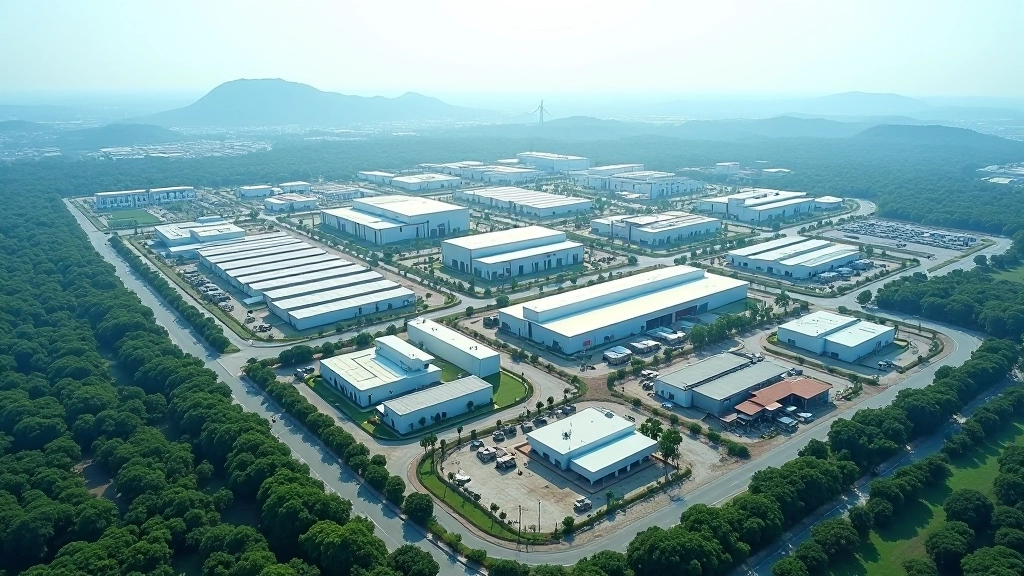
Iskandar Malaysia in Johor, Penang’s manufacturing cluster, and the Klang Valley’s integrated industrial parks represent Malaysia’s strategy for concentrated development. These zones aren’t randomly placed—they’re positioned near ports, existing supply chains, and skilled labor pools. FDI clusters heavily in these locations because the infrastructure’s already there and the regulatory environment’s streamlined specifically for businesses.
Iskandar particularly stands out. As a special economic zone with its own governance structure, it’s attracted major investments in petrochemicals, oil refining, and manufacturing. The zone offers competitive land costs, direct port access, and a regulatory framework designed specifically for large-scale operations. Companies benefit from simplified approvals, dedicated infrastructure investment, and logistics networks built around their needs. That’s not coincidental—it’s deliberate policy design.
Major multinationals don’t view Malaysia as just another production location anymore. Companies like Intel, AMD, Bosch, and major electronics manufacturers’ve established regional headquarters and innovation centers here. They’re not just assembling components—they’re making strategic decisions about ASEAN operations from Malaysian offices. That’s a meaningful shift in investment quality and economic impact.
When a company establishes a regional hub, it creates demand for skilled workers, management talent, and supporting services. Professional services firms expand. Training institutions develop specialized programs. Supply chain networks deepen. The multiplier effect extends far beyond the initial foreign investment. A semiconductor design center employing 200 engineers attracts supporting companies—equipment suppliers, software firms, consulting services—that create thousands of indirect jobs.

Malaysia’s FDI inflow trends reflect deliberate policy choices combined with geographic advantages and existing industrial capacity. The country’s managed to maintain competitive investment levels despite regional competition because it’s focused on quality over volume. Rather than racing to the bottom on taxes or environmental standards, Malaysia’s positioned itself as a reliable, professional destination for serious multinational investment.
The sectors attracting the most investment—electronics, renewables, financial services—align with long-term economic trends. The MIDA framework’s incentive structure rewards companies that create high-value operations, not just low-wage assembly. Special economic zones concentrate infrastructure investment where it matters most. And the multinational presence increasingly extends beyond production into regional decision-making and innovation.
Understanding these trends helps explain Malaysia’s position in ASEAN’s economic hierarchy and suggests which sectors’ll likely attract sustained foreign investment in coming years. The fundamentals—infrastructure, regulatory stability, skilled workforce, and strategic incentives—remain in place. That’s why FDI flows continue even as global conditions shift.
Want to understand more about Malaysia’s investment landscape? Check out our detailed guides on MIDA incentive frameworks and special economic zone performance.

This article provides educational information about FDI inflow trends in Malaysia based on publicly available data and general economic principles. The statistics and figures referenced are drawn from various sources and represent approximate values from the indicated time periods. Actual investment figures, policy details, and economic impacts vary depending on the source and specific measurement criteria used. This content is intended for informational purposes only and doesn’t constitute investment advice, economic forecasting, or professional consultation. If you’re making investment decisions or analyzing Malaysia’s economic situation for business purposes, we’d recommend consulting current official sources from MIDA, Bank Negara Malaysia, and verified economic databases for the most accurate and recent data. Economic conditions, policy frameworks, and investment trends change over time, so information presented here reflects the 2025-2026 timeframe.